LGH Blog

Category: Rigging Tips and Techniques

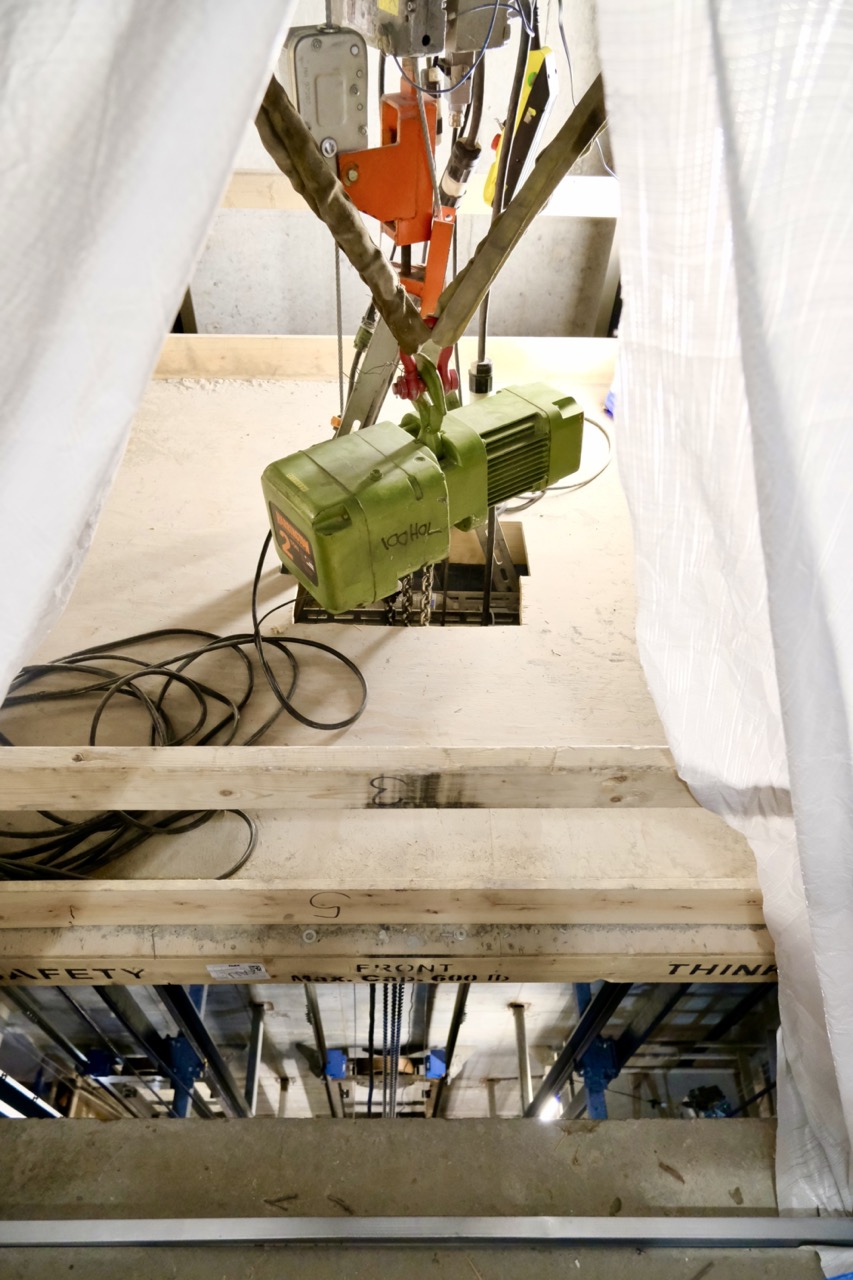
An electric chain hoist from LGH in an elevator shaft.

The Gear That Keeps Elevator Projects Moving: Essential Rigging for Tight Spaces

Essential Rigging Equipment for Elevator Projects with Limited Access In elevator and escalator work, the toughest part often isn’t the installation, it’s getting the equipment into position. Machine rooms buried inside buildings, narrow hallways, tight shafts, low headroom, and restricted access routes make rigging one of the most challenging aspects of any modernization or replacement […]

Read More
LGH Canada warehouse staff testing equipment

The Importance of Pre-Lift Planning

The Hidden Details That Make or Break a Crane Lift A crane lift may not take long onsite, but the planning behind it can take weeks. Every successful pick depends on the decisions made long before the crane ever arrives on site. When the details are overlooked, delays pile up, risks increase, and crews are […]

Read More

Lift Smart, Lift Safe: The Essential Guide to Polyester Round Sling Inspections

How a Simple Daily Check Can Prevent Costly Mistakes and Keep Your Job Site Secure Polyester Round Slings are among the most commonly used rigging tools on any job site. Their high strength and versatility make them indispensable for nearly any lifting operation. However, ensuring their safety and longevity requires proper inspection before each use […]

Read More
Jobsite photo demonstrating Digital Load Links from LGH.

How To Easily Find Center of Gravity for Your Load

Understanding the Center of Gravity in Rigging In rigging, the center of gravity is the point within a load where it balances evenly in all directions. Simply put, it’s where the weight of the load is concentrated. Identifying the center of gravity is crucial for safe rigging—lifting a load directly above this point ensures stability […]

Read More
Air winch conveyor belt splicing

Choosing the Right Air Winch

Air winches are essential tools for lifting or pulling loads to specific points with efficiency and safety. Known for their high speed and automatic holding brakes, air winches often outperform other comparable winches in certain applications. However, selecting the right air winch for your project requires careful consideration.

Read More

Guidelines For How To Use Tag Lines

Tag line usage is an important method to prevent line-of-fire injuries during overhead lifts. They can help you avoid having to put your hands directly on a load. A planned tag line procedure helps the lift go smoothly – especially with large, complex loads.

Read More

Using The Coefficient of Friction to Calculate Frictional Force

Whether you’re in the business of rigging, engineering, or just trying to rearrange your living room, grasping the COF concept is like unlocking a cheat code for moving objects with ease.

Read More

What is the D/d Ratio?

What You Should Know about the D/d Ratio   You’ve likely come across the term ‘D/d Ratio’ in previous research and real-world applications. It’s a fundamental concept in rigging, crucial for ensuring the safety and efficiency of your operations. Let’s demystify the D/d Ratio together and explore its vital role in rigging practices.   Exploring […]

Read More

Confused By Eyebolt Standards? Let’s Clear it Up.

Confused about eyebolt standards? You’re in the right place! In this blog, we are breaking down the governing standards for eyebolts used primarily in rigging operations. When ANSI first published the B18.15 standard on forged eyebolts in 1960, they stated as a disclaimer that “it would be impossible to develop an ANSI standard which would […]

Read More

What Does “Never Saddle a Dead Horse” Mean?

There’s a well-known saying intended to aid in remembering which way to attach a wire rope clip that reads, “never saddle a dead horse.” As our blog title reflects, that’s what we’ll be discussing today.

Read More